

Mastering the Art of Saree Draping: A Step-by-Step Guide

The saree is more than just a fabric; it symbolises grace and elegance, representing our traditional roots and cultural identity. The beauty of the saree is not merely woven in the fabric or colour, but in the drape as well. Every subtle fold and every twirl of the flowing pallu adds to the visual pleasure and beauty of each movement. The art of saree draping styles has changed over generations to form its own unique personality, blending heritage and modern styling, giving every woman the best way to drape a saree in a way that reflects her unique self.
At Celebrity Drapes, we believe every saree has a story to tell when draped properly. Our carefully curated luxury saree collections are designed to allow you to drape each saree with ease, ensuring your saree draping style remains true to the elegance of the Indian saree to more contemporary styling options.
Why Saree Draping Matters More Than the Saree Itself?
The Role of Drape in Enhancing Beauty and Comfort:
The saree draping style is what really determines its overall effect. A saree that is draped beautifully flatters your body shape, maintains the aesthetics and accentuates the craftsmanship of the saree. It does not matter how beautiful the fabric of the saree is; if the drape is clumsy or uneven, you can lose the entire look. Ideally, the best way to drape a saree allows ease of movement and gives you confidence that lasts throughout the day.
The drape should keep your saree and pleats neat and tasteful, with the pallu falling in a structured manner, while allowing for ease of motion. This ensures you are comfortable and do not need to constantly adjust your saree in order to sit, walk or move.
Adding Posture And Poise With The Right Drape:
The perfect modern saree styling does not just leave you looking elegant; it actually changes the way you carry yourself in it. The saree is designed to help you stand tall and move gracefully, which adds an incredible sense of confidence. Once you have the drape complete, you will find that your waist and shoulders are defined, creating a polished and structured silhouette for traditional or modern options.
Getting Started: Essentials For Step-by-Step Saree Draping
What You Need Before You Begin?
Before you begin draping, being prepared is crucial. It’s important to have a petticoat, the colour of which should match your saree and be firm around your waist for stability. Next, you need a properly fitted blouse that not only looks visually appealing but also provides structure to your saree and helps to accentuate its fall. The best way to drape a saree and secure it requires safety pins; you can go for small, strong pins to keep the pleats and the pallu in place.
If your saree look requires heels, it’s helpful to have them on while draping so you can accurately ascertain where the length of the saree needs to be adjusted. Additionally, a full-length mirror will allow you to align the pleats and see the overall symmetry at the same time.
How Fabric Affects the Final Drape?
If you're a first-time draper, the fabric will make a big difference. Fabrics that are lightweight, such as georgette, sequins and net, are ideal for beginners as they are easier to handle and will flow with the saree draping style. Cotton and linen sarees will always look crisp; however, these fabrics will require some practice for pleating, as they can be a little stiff. Silk and organza sarees are considered luxurious, but can be a little tricky for first-time drapers.
Celebrity Drapes carries a beautiful range of lightweight, easily manageable fabrics perfect for first-time drapers who are looking for modern saree styling that is both exquisite and comfortable.
Step-by-Step Saree Draping Guide:
Step 1: Tuck the Saree Securely
The first step in your step-by-step saree draping guide is starting from your right side. Take the non-pallu end of the saree and tuck the end of the plain side into your petticoat, so that the fabric is resting at the opening of your body near the navel in front. Then go around with the saree around your body in one full rotation, while keeping the bottom fabric even along your feet. Make sure the saree is tucked properly, but isn’t tight.
Step 2: Make the Pleats
Almost all saree draping styles include pleats, which is why your next step is to take the remaining fabric and create 5-7 pleats that are all about 5 inches wide. Make sure the edges are even and the pleats are evenly holding the fabric together. Insert the pleats slightly left of the navel. You can use a pin in the petticoat or just hold it by hand to keep the fabric from falling out throughout your wear.
Step 3: Set the Pallu
Then take the remaining loose end of the saree (the pallu) and bring it to the front across your back towards your left shoulder. You can create pleats in the pallu for a more formal or structured look, or simply have the pallu hang from the shoulder for a slightly more modern saree styling.
Step 4: Pin and Adjust
Once your saree is draped, check the pleats in front of the mirror and make sure that they are ending evenly down your front. Secure the pallu to your shoulder or blouse with a small pin to help keep the pallu in place. Try walking a few steps to make sure the saree is fitting comfortably and that you can move freely.
Quick Pro Tips:
Make sure that you iron the saree for a more polished appearance before draping. Use transparent or smaller metal pins to protect delicate fabric. Also, keep extra pins in your clutch for easy access to make small adjustments while attending events.
Popular Saree Draping Styles You Should Try
1. Nivi Style:
The Nivi style, originating from Andhra Pradesh, has timeless appeal and elegance. It’s the ideal drape for everyday life, business meetings, or family socialising.
2. Bengali Style:
This is a unique saree draping style with a dramatic front pallu and multiple pleated layers; it instantly adds cultural sophistication to your look. Pair it with gold jewellery for a bolder effect.
3. Gujarati Style:
The pallu hangs over the right shoulder and down the front, which is ideal for showcasing beautiful embroidery or decorative borders.
4. Modern Belted Style:
Today, the belted look is one of the most popular saree draping styles, blending functionality and fashion. Create a slim waist by wrapping a delicate metallic or fabric belt around the waist to modernise your saree.
Common Saree Draping Mistakes and How to Fix Them:
The most common saree draping mistakes include uneven pleats, sliding pallu, or incorrect folding and tucking. If your pleats look uneven, fold them slowly in front of a mirror and use a couple of pins to keep them pinned before tucking them in. If your heavy pallu slides off easily, use a few light pins tucked under your shoulder or some double-sided fabric tape discreetly to secure it. Also, ensure you tuck no more fabric than necessary in one spot, and distribute the fabric evenly around your waist to keep a consistent silhouette.
Final thoughts: Redefine Your Saree Draping Style with Celebrity Drapes
All saree draping styles require practice, the correct fabric, and a sense of confidence in yourself to truly master the draping. Once you are familiar with the flow of your fabric and the balance of your pleats, it will feel effortless and instinctual.
At Celebrity Drapes, we create sarees that will help you feel at ease during this process. Our sarees come in a variety of lightweight, flowy materials designed to stay in place while you navigate the process of draping, standing out for our pre-pleated, ready-to-drape fabric. Our design intends for every woman to feel secure in draping a saree, helping you lean into saree draping styles with ease and as a part of your personal and stylistic expression.
Related Products
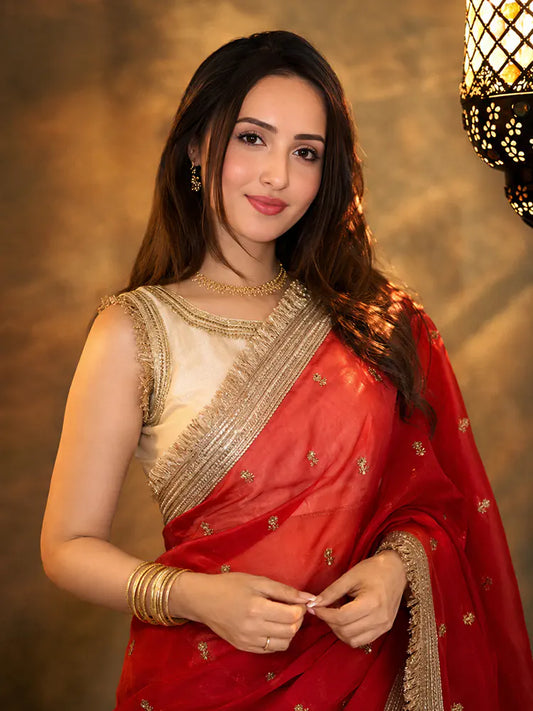

- ₹3,200
- ₹3,200
₹3,599- Unit price
- per
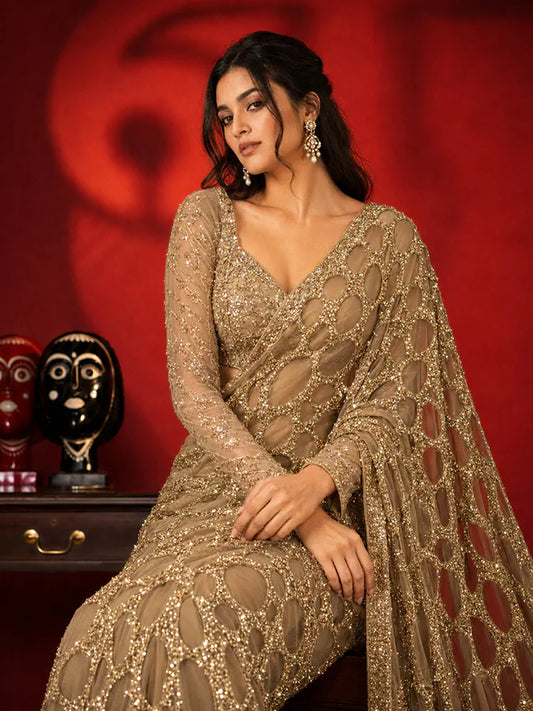

- ₹4,599
- ₹4,599
₹6,149- Unit price
- per
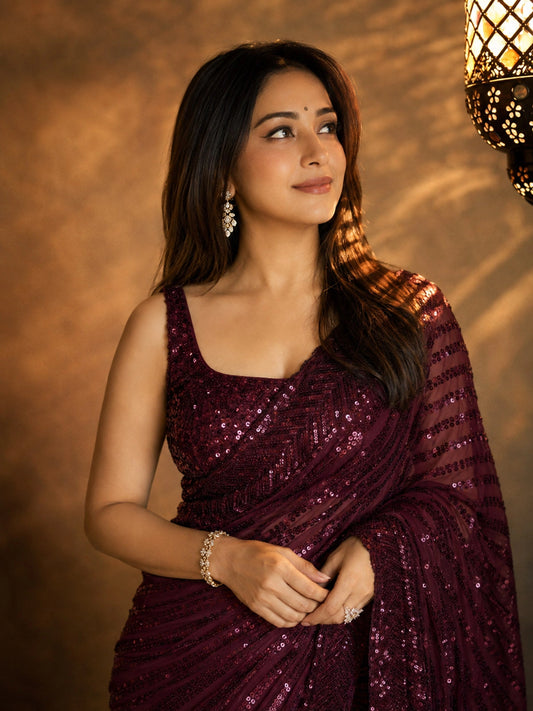

- ₹4,049
- ₹4,049
₹5,149- Unit price
- per
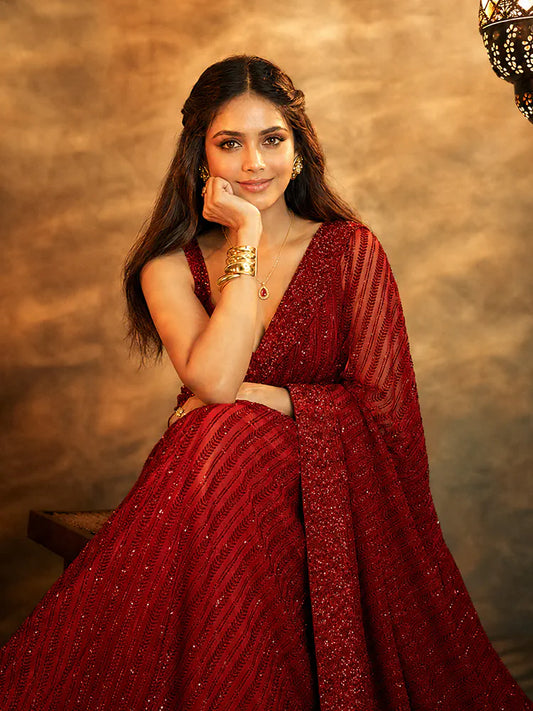

- ₹4,049
- ₹4,049
₹5,199- Unit price
- per

- ₹4,049
- ₹4,049
₹5,549- Unit price
- per

- ₹4,049
- ₹4,049
₹5,399- Unit price
- per

- ₹3,200
- ₹3,200
₹3,599- Unit price
- per

- ₹4,049
- ₹4,049
₹5,549- Unit price
- per

- ₹4,599
- ₹4,599
₹6,149- Unit price
- per

- ₹3,749
- ₹3,749
₹5,349- Unit price
- per
- ₹4,049
- ₹4,049
₹8,098- Unit price
- per

- ₹4,599
- ₹4,599
₹9,198- Unit price
- per
- ₹5,499
- ₹5,499
₹10,998- Unit price
- per

- ₹4,599
- ₹4,599
₹9,198- Unit price
- per

- ₹3,749
- ₹3,749
₹6,816.36- Unit price
- per

- ₹4,049
- ₹4,049
₹6,748.33- Unit price
- per

- ₹6,649
- ₹6,649
₹13,298- Unit price
- per

- ₹4,899
- ₹4,899
₹8,907.27- Unit price
- per

- ₹4,899
- ₹4,899
₹9,798- Unit price
- per

- ₹10,099
- ₹10,099
₹20,198- Unit price
- per

