

Saree Border Types Explained: Zari, Cutwork, Lace, Scallop, and More

A saree's border represents a woman's identity; it’s not simply an outfit. All over India, saree borders represent the richness of Indian handloom traditions, the detail of intricate zari weaving and also how Indian fashion has changed through time. Some sarees have wider borders and some narrow, especially for everyday wear, but also in a special way for festive occasions or weddings, for brides and festive shoppers.
Therefore, being aware of how saree border designs are crafted can assist you, whether you are a bridal trousseau shopper, shopping for a festival, or just a saree lover, so that the saree is both significant to you and serves its purpose accordingly.
Why the Saree Border Matters More Than You Think
The Border as a Cultural Identity Marker
The saree borders tell you something about the history of the saree. Perhaps the most famous borders are the highly intricate zari borders of Banarasi sarees from Varanasi, and the contrasting coloured borders of Kanjeevaram sarees from Kanchipuram. In the same regard, Paithani sarees showcase motifs, such as peacocks and lotuses within their borders, as well as Chanderi sarees with subtle saree border designs.
When it comes to fashion stylists or boutique owners, the border serves as a very strong and obvious visual cue denoting the authenticity, craftsmanship, and heritage of each particular saree.
How to Read a Saree Border (Width, Technique & Motif)
Understanding the type of saree border requires knowledge of three things: the border width, how it is created, and its decoration or motif. A small border saree creates a clean, minimalist silhouette; conversely, a heavy border design creates drama and structure in the way it drapes. The technique used to create the handwork saree border design will determine both the value of the saree and its durability.
Finally, various decorative motifs add more meaning to a saree, including floral designs; temple-like designs, and more. When deciding saree border styles, ethnic wear buyers can use these three criteria as a convenient way to assess the value of sarees.
The Complete Guide to Saree Border Designs
Let’s dive into every popular saree border design style you’ll find.
Zari Border: The Gold Standard of Indian Sarees
What Is a Zari Border?
A zari border is made from metallic threads, traditionally gold or silver, which are woven into the edge of the saree. Traditionally, Surat and Varanasi have produced countless generations of craftsmen and artisans who have refined the craft. Most commonly found on Banaras brocade sarees, the shine of these metallic threads provides not only beauty, but also a ceremonial setting when accompanied by the right accessories.
Types of Zari Work Used in Borders
There are various types of zari borders available. The most expensive is made from pure zari, which contains real silver wrapped with gold, providing strength, durability and value. Other than this, tested zari is a popular choice, which uses silver threads with a protective coating; this adds a perfect balance between genuine and budget-friendly materials.
Imitation zari is made from synthetic metallic yarn and provides a very similar visual and tactile appearance for a fraction of the cost. All of these saree borders look fantastic when combined with luxurious fabrics, such as Katan silk or tissue, that add shine and structure.
Best Occasions & Styling Tips
Zari borders are ideal for weddings, festive seasons, such as Diwali or Navratri, or when extravagant celebrations are anticipated. A bride or festive shoppers can match up their saree with a contrasting colour blouse, such as emerald green or maroon; the rich look of the border balances out when styled with a bold colour or pattern.
Cutwork Border: Delicate, Airy, and Artisanal
What Is Cutwork in Saree Borders?
Cutwork on a saree border is an intricate lace-like design made by carefully removing threads from the fabric to form a pattern or cut out a shape. The most popular type of cutwork border is the chikankari style of hand stitching in Lucknow, which involves creating beautiful, breathable designs using cotton fabric.
Hand Work Saree Border Designs
Cutwork is considered a handcrafted fashion as the saree border design requires great care and precision. The difficulty in achieving symmetry while providing an open, airy feel gives this type of design more value than machine-made sarees. Each piece requires meticulous planning to achieve the desired result.
Who Should Wear Cutwork Borders?
Cutwork borders work best for afternoon events, summer weddings and casual gatherings and are typically favoured by millennial women, designers, and saree lovers who want to look casual yet elegant while supporting local artisans.
Lace Border: Contemporary Yet Classic Drapes
What Is a Saree Lace Border?
A saree lace border is a lace pattern that adorns one of its loose edges. In general, it may be either sewn or woven into the saree. There are many different varieties of lace borders available to create intricate designs in sarees. This includes French lace, crochet lace, and net lace borders.
Sarees That Use Lace Borders Best
Lightweight fabrics such as georgette saree, chiffon saree, and net saree are commonly used to create sarees with lace borders. These types of sarees are most often seen in contemporary and fusion styles, which are increasingly popular among younger millennial women.
Styling a Lace Border Saree
A saree lace border can be styled with a variety of modern blouse styles, such as sleeveless blouses or cold-shoulder blouses. Jewellery should be kept to a minimum so that the saree's lace border is highlighted. This makes a lace border saree an excellent option for cocktail functions, festive dressing, or evening events.
Scallop Border: Feminine Curves, Timeless Appeal
What Is a Scallop Border on a Saree?
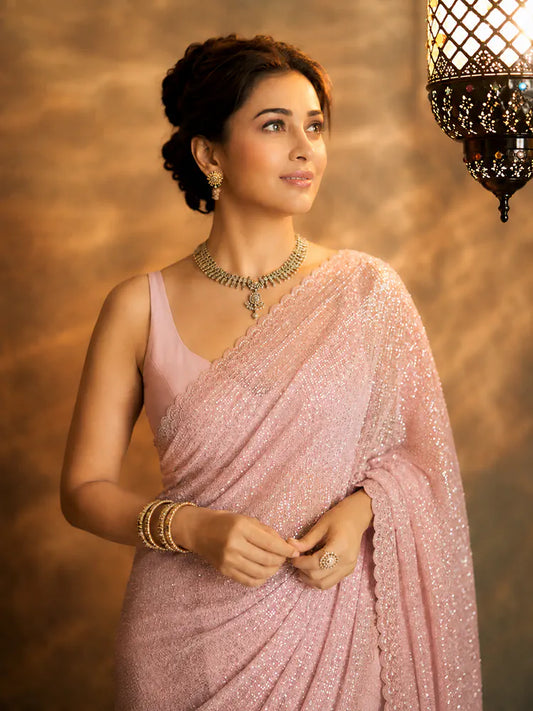
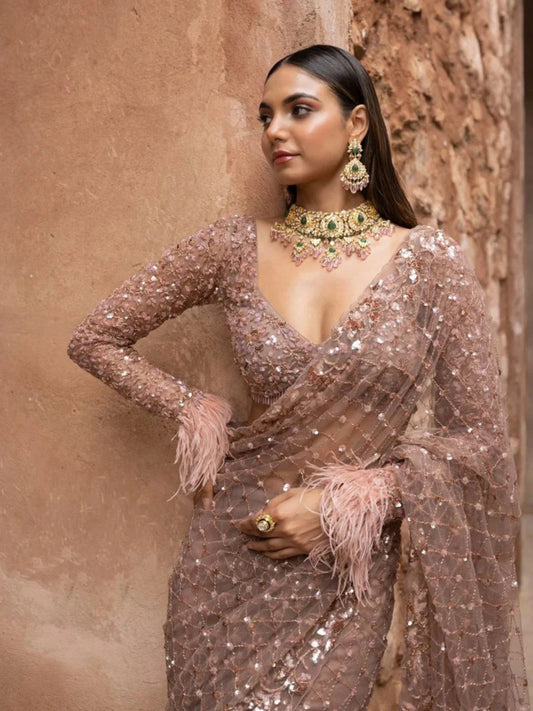
A scallop border has regularly spaced semi-circles, producing a gentle, rounded edge. The scallop edge style has really taken off, especially in silk and organza sarees, because of their intricate yet unique characteristics.
Scallop Embroidery vs. Woven Scallop
Scallops can be made using two methods: embroidery and weaving. Scallop embroidered borders using materials such as zardosi or sequins tend to be much more elaborate than when done by weaving.
How to Style a Scallop Border Saree
Scallop border detailing results in stunning sarees for bridal styling as well as occasion-wear styling. The gentle curves of the scallops create a soft, feminine look, which is why many designers use scallop border detailing as part of their modern occasion wear.
Small Border Sarees: Understated Elegance for Everyday Wear
What Qualifies as a Small Border Saree?
Small border sarees are generally defined as having a border smaller than one inch in width. Commonly found in cotton, linen and handloom sarees, they provide a clean and refined appearance.
Why Thin Border Sarees Are a Wardrobe Essential
Thin border sarees are extremely versatile for everyday wear and office wear. They include traditional craftsmanship, particularly from South India, and their minimalist style makes them especially suitable for those who prefer such elegant aesthetics.
Top Picks for Small Border Saree Styles
Styles like the Kerala Kasavu, characterised by its gold border, the Bengal Tant and the Maheshwari sarees exemplify the beauty of the small border sarees, making them a staple for every saree lover.
Heavy Border Designs: Drama, Grandeur & Bridal Glory
What Makes a Border “Heavy”?
A heavy border design is determined by width, which is typically three inches, and by the number of ethnic embellishments adorned on it. Often, heavy border detailing will have multiple layers of motifs and heavy detailing to create a strong visual impact.
Techniques Used in Heavy Borders
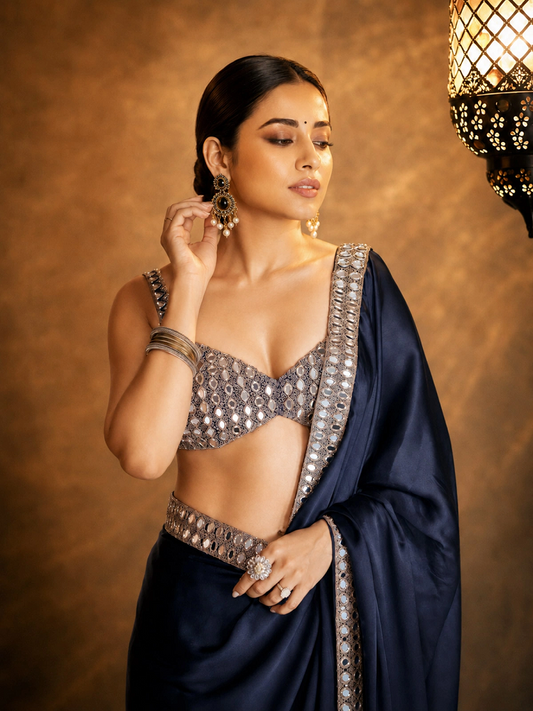
Heavy embroidered borders are generally made by using a variety of techniques which use Zardozi, mirror work border, gota patti border, temple design and stone embellishments. All of these embellishment methods would be classified as hand embroidered borders and demonstrate highly skilled traditional craftsmanship.
When to Choose Heavy Border Sarees
Heavy saree borders are most appropriate for bridal styling, receptions and grand celebrations. A heavily embellished border that is balanced with a more subtle saree body allows the overall look to retain elegance without being overdone.
Other Notable Saree Border Styles
Sarees can also be embellished in many different styles:
-
Temple Border: Inspired by gopuram motifs; common in silk sarees
-
Meenakari Border: Enamelled, multi-colour thread work
-
Appliqué Border: Cut-fabric shapes stitched onto border
-
Printed Border: Block or digital print on cotton/linen
-
Tassel/Fringe Border: Bohemian, fusion styling
How to Choose the Right Saree Border for Your Occasion
Occasion-Based Border Guide
Which border to choose will depend on the occasion: heavy border designs, zari work and scallop borders are suitable for wedding and bridal events, and create a sense of grandeur. For religious or festive occasions, traditional saree border designs, such as heavy borders, zari, temple, and meenakari work, are ideal.
Thin border and small border sarees are the best choices for office or daily wear because they're classic, comfortable and affordable. Lace borders & scallop borders make perfect choices for cocktail parties and create a modern look. In the summer months, cutwork borders, threadwork borders, and printed borders are the best choices to wear casually.
Before choosing a saree, it helps to think about the occasion, and the border often makes all the difference. A rich zari or scallop border can instantly make the look feel festive or bridal, while lighter and simpler borders are perfect for office wear or casual outings.
To make styling easier, here’s a quick guide to help you pick the right border type for every occasion.
|
Occasion |
Recommended Border Type |
|
Wedding / Bridal |
Heavy border, Zari border, Scallop |
|
Festive / Puja |
Zari, Temple border, Meenakari |
|
Office / Daily |
Thin border saree, Small border sarees |
|
Cocktail / Party |
Lace border, Scallop |
|
Casual / Summer |
Cutwork, Printed border |
How Body Type Affects Border Choice
The appearance of the saree border when draped is determined by the body type. Women with smaller, more petite bodies will look best in thin or small border sarees. Tall women can easily and comfortably wear sarees with heavy border designs. When selecting a saree to wear, choose the border design that makes you feel the most confident and comfortable.
How to Care for Embellished Saree Borders
If your saree has a zari border or heavy embroidery, you should have it dry-cleaned to maintain its shine and texture. However, if it is a lace border saree, you should hand-wash it gently as it is delicate. In addition to proper cleaning, rolling rather than folding is ideal as it will help to maintain the integrity of your saree border throughout the years.
Final Thoughts: Choosing the Right Saree Border Design For Your Style
A saree is often characterised by its fabric or colour, but the border is what really establishes its unique personality. Each saree border holds a special place in history through the artistry, culture, heritage, and personal preference of the designer. From the intricate zari work found in Varanasi to the bold and structured weaves of Kanchipuram, every saree border has a unique story. It also helps frame the drape and achieve a balanced overall silhouette.
For bridal trousseau shoppers preparing for upcoming weddings and modern saree lovers, selecting saree borders is very much about personal preference. It is the integration of proportions, textures, and various saree design elements on the border that ultimately makes a normal drape into an extraordinary outfit.
Related Products


- ₹3,599
- ₹3,599
₹5,141.43- Unit price
- per

- ₹5,499
- ₹5,499
₹7,855.71- Unit price
- per

- ₹4,049
- ₹4,049
₹5,784.29- Unit price
- per

- ₹4,599
- ₹4,599
₹6,570- Unit price
- per

- ₹5,499
- ₹5,499
₹6,873.75- Unit price
- per

- ₹4,599
- ₹4,599
₹5,748.75- Unit price
- per

- ₹5,799
- ₹5,799
₹8,921.53- Unit price
- per


- ₹4,349
- ₹4,349
₹5,436.25- Unit price
- per

- ₹4,599
- ₹4,599
₹5,110- Unit price
- per
- ₹4,049
- ₹4,049
₹5,061.25- Unit price
- per
- ₹5,499
- ₹5,499
₹7,855.71- Unit price
- per

- ₹4,599
- ₹4,599
₹5,110- Unit price
- per

- ₹4,349
- ₹4,349
₹6,212.86- Unit price
- per

- ₹5,949
- ₹5,949
₹8,498.57- Unit price
- per

- ₹4,599
- ₹4,599
- Unit price
- per

- ₹4,599
- ₹4,599
- Unit price
- per

- ₹4,049
- ₹4,049
₹5,784.29- Unit price
- per

- ₹2,899
- ₹2,899
₹3,410.59- Unit price
- per
- ₹4,049
- ₹4,049
₹5,784.29- Unit price
- per
- ₹4,049
- ₹4,049
₹5,398.67- Unit price
- per

